
Go Far with Confidence: Smart Charging for Rented EVs

Let’s chart confident journeys for drivers using a rented electric car beyond city limits. We explore charging network planning tactics for EV renters on long-distance routes, turning uncertainty into clarity with pragmatic maps, buffer strategies, real-world range insights, and traveler-tested routines that reduce stress, time loss, and unexpected costs.
Know Your Rental: Battery, Ports, and Real‑World Range
Before the odometer starts rolling, learn the exact battery capacity, usable kilowatt‑hours, connector type, and charging curve of your specific rental model. Real‑world range varies with speed, elevation, temperature, and passengers. A quick driveway test, a look at recent driver check‑ins, and a review of the car’s energy graph instantly calibrate expectations. This understanding anchors every planning choice, from spacing chargers to timing meals, and prevents the classic first‑trip mistake of trusting optimistic window‑sticker numbers.
Pre‑Trip Mapping That Prevents Anxiety
Bring redundancy to your planning by comparing at least two routing tools and a community check‑in platform. Cross‑reference power ratings, recent uptime, and photos of stalls and access roads. Build a route where every planned stop has a viable backup within a comfortable detour. Then export waypoints to your phone and in‑car navigation, and print an offline list for areas with weak service. Confidence grows when your plan survives the question, what if the best option is unexpectedly busy or offline?
Choosing Stations That Save Time and Hassle
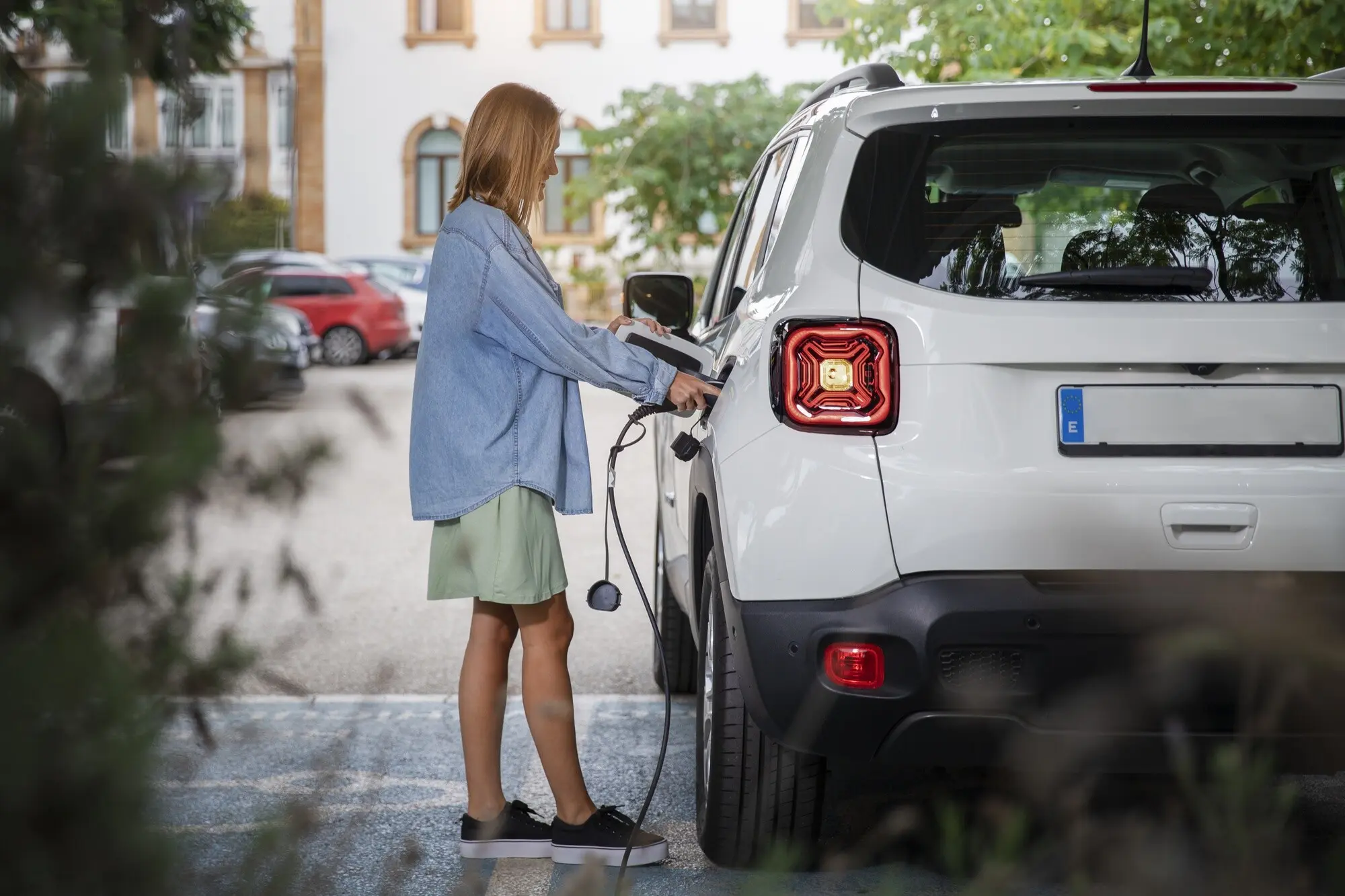
Not all kilowatts are equal. Prioritize locations with a track record of uptime, clear signage, easy in‑out traffic patterns, and 200 kW or higher capability for modern rentals. Prefer sites with multiple cabinets to avoid single‑point failures. Consider pricing transparency, roaming support, and amenities that match your schedule. The best stop is rarely cheapest alone; it’s the one that predictably gets you moving again with minimal friction, even when weather, crowds, or the clock complicate decisions.
On‑the‑Road Tactics for Smooth Progress
Once rolling, treat energy like time. Keep speeds reasonable, draft safely behind slow traffic when appropriate, and precondition the battery before fast stops when your car supports it. Charge more often for shorter sessions if queues appear. Avoid arriving nearly empty unless your backup is guaranteed. The mindset is flexible execution: observe consumption, watch weather radar, check app check‑ins, and adapt calmly so the schedule remains yours, not dictated by the next plug’s mood or crowd.
Weather, elevation, and the art of energy budgeting
Mountain passes and winter fronts punish assumptions. Use elevation overlays and wind forecasts to adjust targets before you commit. Add extra buffer for headwinds and cold, and trim plans if tailwinds help. Predictable margins convert uncertainty into relaxed conversation, music, and scenic stops worth remembering.
Preconditioning the battery for faster sessions
Many rentals can heat or cool the pack en route when navigating to a fast charger. Enable that feature so the first kilowatts arrive at peak rates. If unavailable, add a gentle warm‑up drive before plugging in during cold snaps to avoid painfully slow ramps.
Contingencies and Safety Nets
Even perfect preparation meets imperfections. Build a ladder of alternatives: another fast site ahead, a slower Level 2 near food, and ultimately any available outlet at safe lodging. Pack patience for occasional queues, and a polite script for ICEd spots. Keep roadside assistance numbers, network support contacts, and rental agency policies handy. The goal is never drama; it’s graceful resilience that turns potential setbacks into small stories shared later with a relieved smile.

Handback Without Headaches
Finish strong by planning your last charge near the return location. Know the required state of charge, potential idle penalties, and how billing posts after your final session. Save screenshots or receipts, and photograph the dash at drop‑off. A ten‑minute top‑up can avoid administrative fees or disputes. Share what worked—and what you would change next time—in the comments so other renters can refine plans and the collective map grows smarter with every practical experience.
All Rights Reserved.