Winter Roads, Electric Confidence

We are diving into cold‑weather road trip strategies for EV rentals in mountain and snow regions, turning frost and altitude into enjoyable miles. Learn to plan smart routes, protect range, precondition effectively, and charge without stress when the air bites and passes glitter. Whether you aim for a lively ski village or a silent backcountry cabin, these practical insights, real stories, and renter‑specific checklists help you travel smarter, arrive warmer, and return proud. Subscribe, ask questions, and share your own hard‑earned tips.

Route Planning With Altitude in Mind

Elevation, Wind, and Range Math

Climbs add demand quickly, headwinds magnify it, and powder‑covered lanes slow traffic in ways route planners rarely predict perfectly. Assume higher consumption ascending, partial recovery descending, and always guard a margin for detours or chain‑control delays. If a pass is marginal, top up before the grade begins, not after you are committed. Remember that cold batteries reduce regen, so do not count on downhill miles paying you back immediately. Think ahead, arrive calm, and enjoy the view.

Map Tools That Truly Help

Combine an EV‑aware planner with a community map for ground truth. A Better Routeplanner estimates elevation and temperature effects, while PlugShare reveals station reliability, snowbank access, and real‑time photos. Cross‑check with your car’s built‑in navigation for preconditioning triggers on compatible DC fast chargers. Save stations as favorites, download offline areas, and mark backups near grocery stores or cafés where waiting feels easy. This layered approach turns uncertainty into informed choices, especially when storms rewrite schedules without asking permission.

Buffers for Mountain Pass Uncertainty

Winter adds variables nobody controls: surprise closures, spinning trucks, and convoys behind plows. Maintain a larger state‑of‑charge buffer than you would on summer highways, especially before remote summits. Arrive at key climbs with comfortable reserves, and treat anything below that as a cue to pause and top up. When a forecast hints at gusts, drifting snow, or single‑digit temperatures, extend your margin further. A generous cushion transforms a long wait into a relaxed cocoa break rather than anxious clock‑watching.

Inspect and Equip Before Departure

Walk around the car with the attendant, checking tire tread, sidewall condition, and whether winter tires are actually mounted, not merely promised. Ask where chains are stored if applicable, and practice fitting one link indoors if rules require carrying. Verify that the cargo area includes a scraper, gloves, and the charging kit. Ensure the windshield washer reservoir is full with low‑temperature fluid. Confirm the charge port door opens smoothly in the cold. Little confirmations now prevent roadside surprises later.

Apps, Accounts, and Adapters

Create or sign into accounts for the major networks along your route, load a payment card, and order or borrow RFID tags if the area has spotty signal. If you are driving a Tesla in a region with NACS Superchargers, confirm access; for CCS cars, verify the included adapters match local plugs. Download offline maps in your navigation app and your EV planner, and cache station details with photos. The fastest charger is the one you can actually activate immediately, without fumbling.

Policies That Affect Your Trip

Clarify return state‑of‑charge expectations, idle fees near charging stations, and any mileage or road restrictions for mountain passes. Ask about roadside assistance coverage in snow zones and towing allowances if traction is lost. Note any penalties for using chains. Confirm whether you may use roof racks for skis and how that might affect consumption. Transparency at the counter lowers stress on the highway. Take a photo of agreements and numbers so help is one tap away if weather turns.

Battery Warmth, Charging Curves, and Cold Reality

{{SECTION_SUBTITLE}}
Precondition Like a Pro
Start cabin and battery preheating while still connected at your lodging, using grid power instead of precious miles. Many cars warm the pack automatically when you route to a compatible fast charger; give them that lead time. If your rental lacks automatic preconditioning, a short, gentle drive before fast charging can help. Avoid arriving at a charger with a cold, nearly full battery, which accepts energy reluctantly. Warm pack equals happier curve, shorter stop, and cozier passengers.

Smart SoC Windows in the Hills

Aim to reach summits with enough buffer to handle detours but not so full that regen is unavailable. Likewise, avoid starting big descents at one hundred percent, especially in deep cold where the pack resists accepting charge. In practice, targeting arrival in the forty to sixty percent range at a climb and cresting near thirty to fifty can feel comfortable, though models vary. Observe your car’s limits display, adjust expectations, and remember that safety and traction trump every efficiency objective.

Traction, Braking, and Mountain Technique

Winter Tires, Chains, and Local Rules

Check regional requirements before leaving: some mountain roads demand approved winter tires, studs in specific months, or chains carried for inspection. Even all‑wheel drive cannot cheat physics on cold rubber. Practice installing chains in a quiet lot, facing traffic away, using gloves and a mat. Keep speed low with chains mounted, then remove them promptly when pavement returns. Above all, obey checkpoints and signage; fines and turnarounds waste more time and energy than a cautious, well‑timed installation ever will.

Regen on Ice and Long Descents

Strong regenerative braking can unsettle traction on polished ice if a single driven axle over‑slows unexpectedly. If your model permits, choose a milder regen setting in mixed grip, and apply light, consistent brake pressure that engages stability systems evenly. On extended snowy downgrades, select a speed that keeps tires beneath their grip threshold and allows constant, gentle control. Remember that regen may fade when the battery is cold or near full, so do not rely on it exclusively downhill.

Visibility, Spacing, and Smooth Inputs

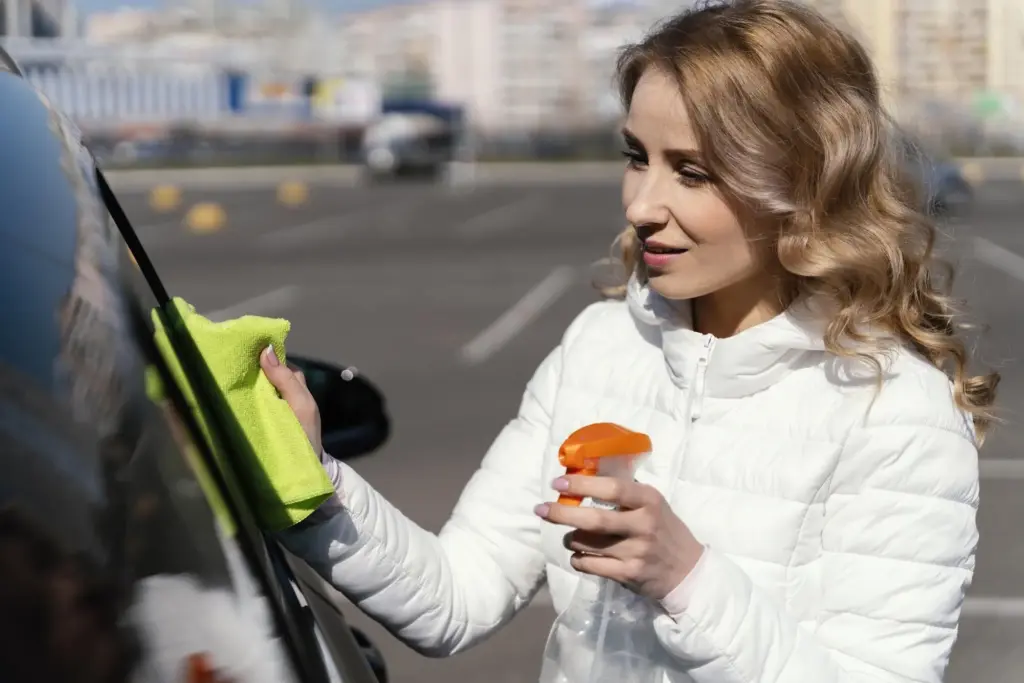
Snow narrows lanes, hides lane markers, and shortens sight lines. Double your following distance, signal early, and make single, deliberate moves. Avoid sudden steering that transfers weight abruptly. Clean cameras and sensors often; many driver‑assist functions reduce capability in slush anyway, so be prepared to drive analog. Use recirculation briefly to warm fast, then bring in fresh air to prevent fogging. The goal is unhurried progress that respects physics, people, and the mountain’s changing moods.

Ski Town Charging Habits

Resorts experience predictable surges: arrivals Friday night, departures Sunday afternoon, and lunch rushes near base areas. Book lodging with Level 2 charging to refuel while you sleep, then use DC fast only for repositioning. Some garages require short cords; practice tight parking. A friendly chat can enable courteous sharing when cables barely reach. If your app allows waitlists, join early. Treat every charging stop as a chance to hydrate, adjust layers, and check avalanche or closure updates before committing.

Plugging In When Everything Is Frozen

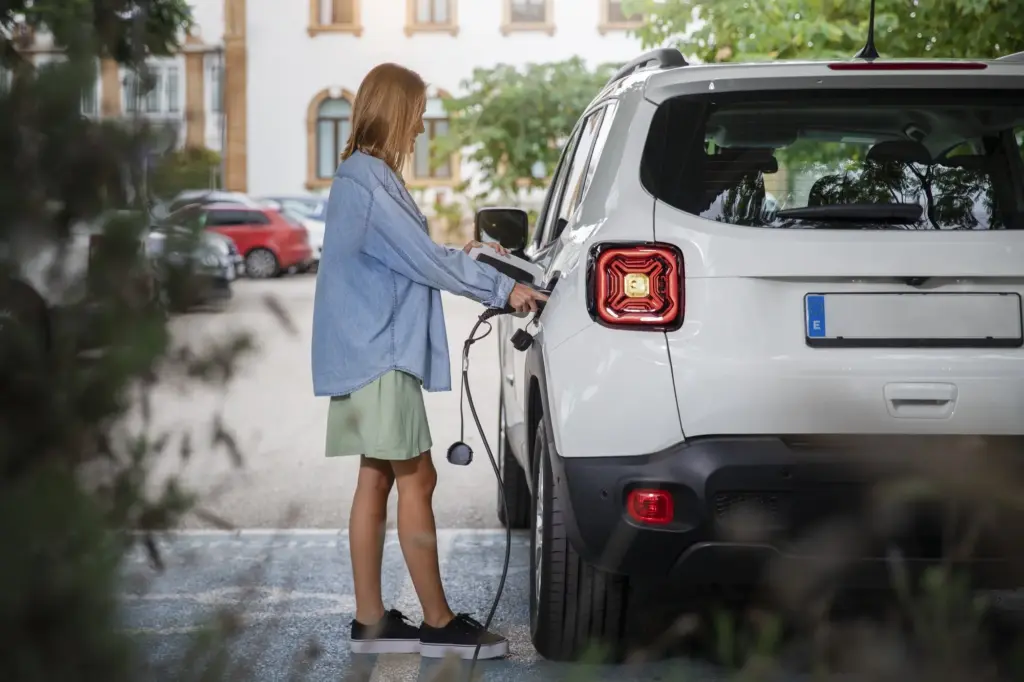
Snowbanks can block stalls, and frozen flaps resist. Tap ice gently around the port, brush off the connector, and keep the latch clear. If your car offers port heating or defrost, activate it while approaching. Coil stiff cables patiently to relieve strain, and confirm the connector clicks fully before starting. Keep a microfiber cloth to dry contacts if slush intrudes. When your fingers ache, gloves with grippy palms earn their space. Five careful minutes prevent failed sessions and repeated swipes.

Comfort, Safety, and Contingency Planning

Comfort sustains judgment. Preheat while plugged in, lean on seat and wheel heaters, and moderate cabin temps to save range without shivering. Pack a compact kit with blankets, snacks, water, traction aids, a headlamp, and a small shovel. Download offline maps, store emergency numbers, and understand local road alert channels. If closures stack up, reroute early or pause overnight. Share your itinerary with someone who cares. Prepared travelers keep spirits high, batteries happy, and memories shiny despite swirling flakes.
Naripexizoripiratavo
Privacy Overview

This website uses cookies so that we can provide you with the best user experience possible. Cookie information is stored in your browser and performs functions such as recognising you when you return to our website and helping our team to understand which sections of the website you find most interesting and useful.